February 19, 2026
We will explore the scenarios where opting for a dumpster rental can be the most effective and efficient choice for your project. Whether you are planning a residential upgrade or managing a larger commercial effort, waste management decisions often influence timelines, safety, and overall organization. Understanding when to choose a centralized disposal solution helps reduce clutter, minimize delays, and support responsible waste handling. According to IBISWorld, there are over 350 dumpster rental companies in the United States, highlighting how widely this disposal method is relied upon across industries. This guide examines project scope, debris volume, space considerations, cost factors, and environmental responsibility to help you decide when dumpster rental services make sense for your specific situation.
By evaluating these elements before work begins, you can avoid last-minute disposal challenges and maintain a smoother workflow. From short-term cleanouts to long-running construction efforts, having the right disposal strategy in place allows teams and homeowners alike to focus on productivity rather than waste removal logistics.
Understanding Your Project Scope
Determining whether a dumpster rental is appropriate starts with a clear understanding of your project’s scope. Smaller tasks such as minor repairs or room cleanouts may generate manageable debris, while renovations or structural changes typically create waste at a faster pace. Clearly defining the scope allows you to match disposal methods to actual needs instead of relying on assumptions.
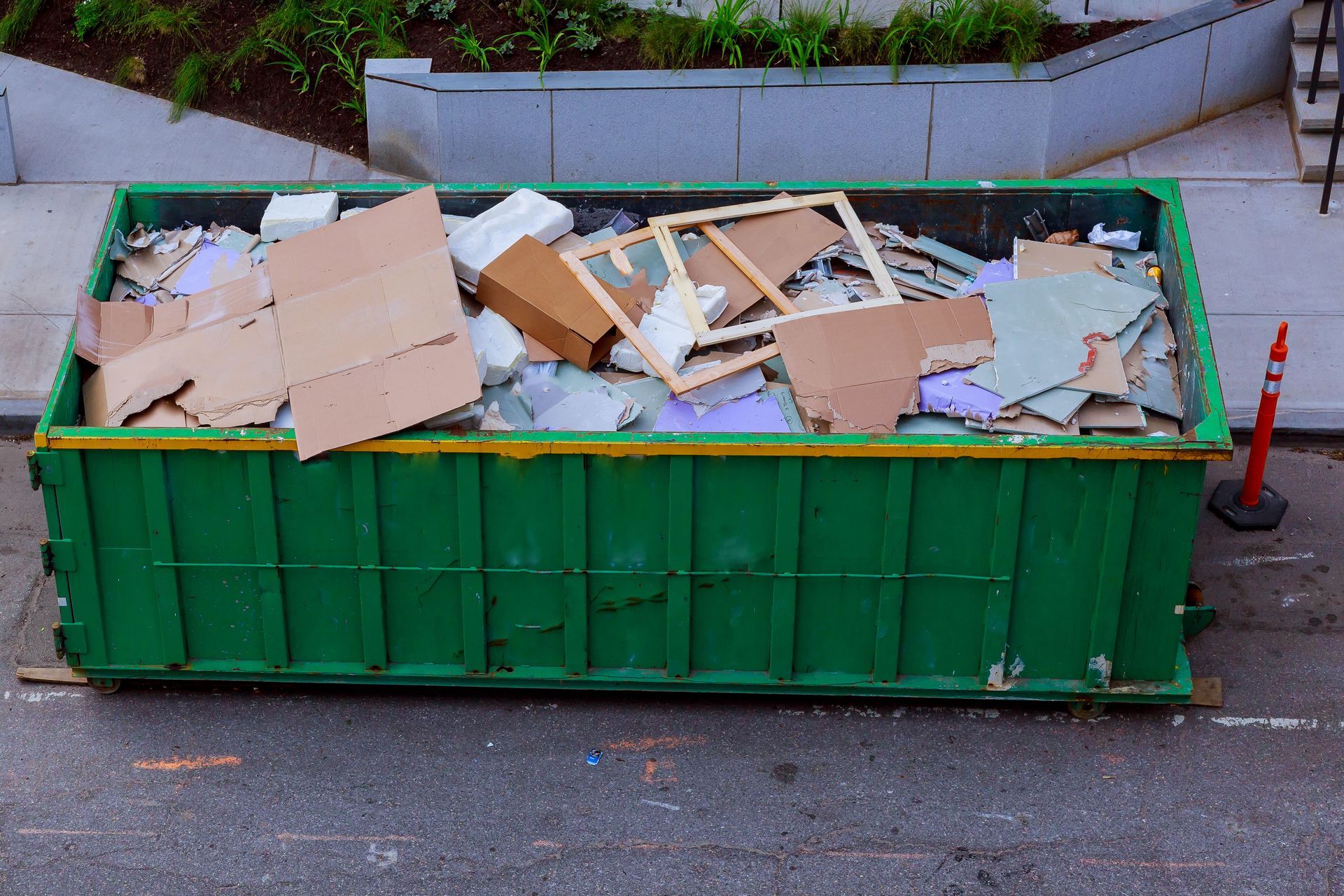
Assessing materials is equally important. Drywall, wood framing, roofing shingles, and flooring all take up space quickly, especially when removed in bulk. When debris volume begins to exceed what standard curbside pickup can handle, a centralized container becomes a practical solution.
Project duration also plays a role in determining disposal needs. Ongoing projects that generate waste daily benefit from having a consistent place to discard materials without interrupting work. In these situations, a dumpster rental supports efficiency by keeping debris contained and accessible throughout the project lifecycle.
Space availability must also be evaluated early. Driveway size, yard layout, or jobsite access may limit container placement options. Planning around spatial constraints prevents delivery delays and ensures the container can be used safely without obstructing work areas or traffic flow.
Types of Projects That Benefit from Centralized Disposal
Home renovations are among the most common projects that generate more waste than anticipated. Cabinet removals, fixture replacements, and flooring tear-outs quickly pile up, making routine disposal impractical. For these projects, a dumpster rental provides a single location for debris, keeping the home and surrounding property organized.
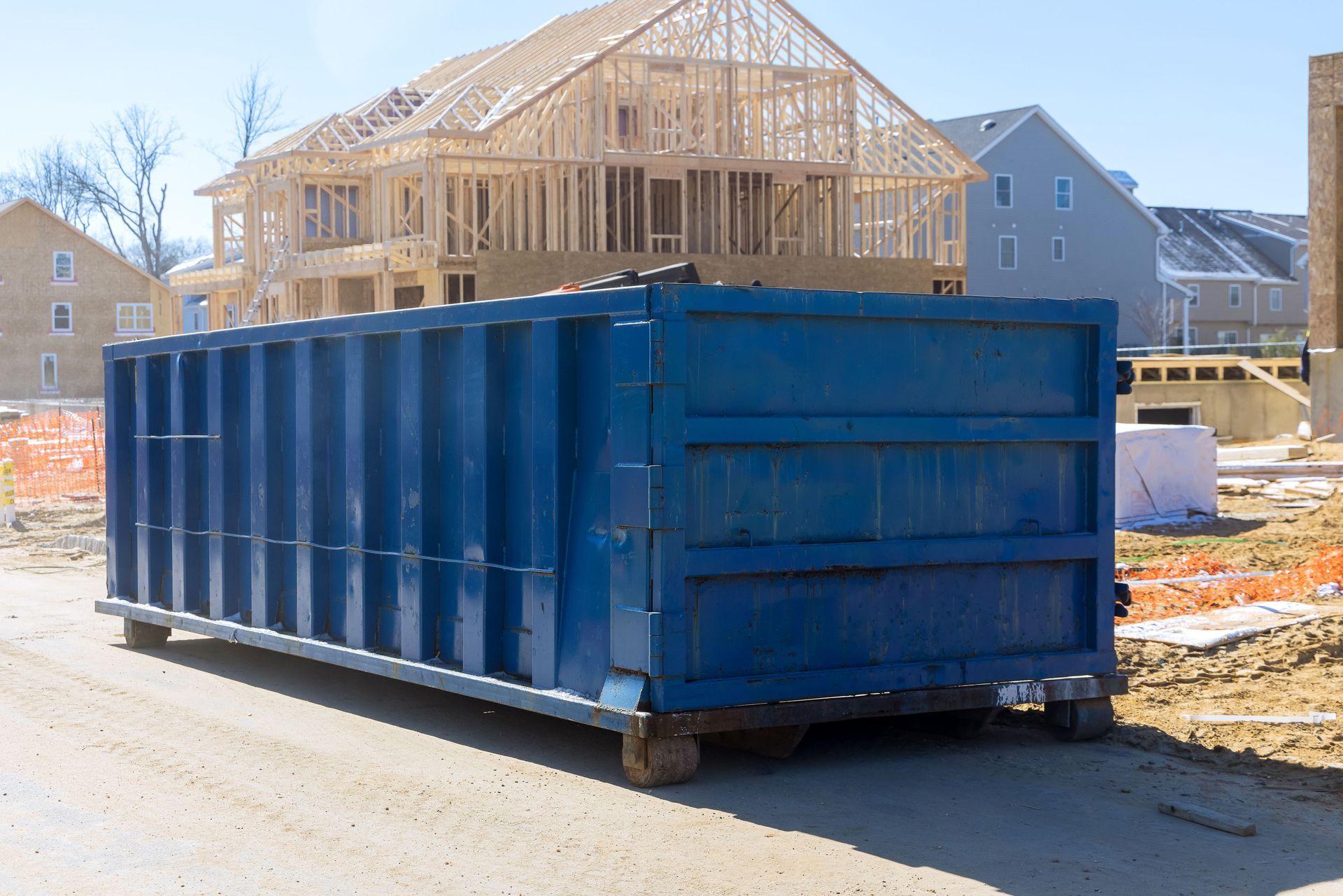
Construction projects, whether residential or commercial, almost always require structured waste management. Building materials, packaging, and offcuts accumulate continuously, and unmanaged debris can slow progress or create safety hazards. Centralized disposal supports site efficiency while helping crews comply with safety standards.
Landscaping overhauls also produce significant waste, including soil, tree limbs, roots, and hardscape materials. Managing this debris without repeated trips offsite saves time and reduces strain on equipment. Having a container on hand allows landscaping teams to maintain momentum without sacrificing cleanliness.
Community cleanups and property-wide decluttering efforts benefit from defined disposal points. When participants know exactly where waste should go, collection becomes faster and more organized. Clear disposal options also encourage greater participation and help prevent overflow issues.
Selecting the Appropriate Container Size
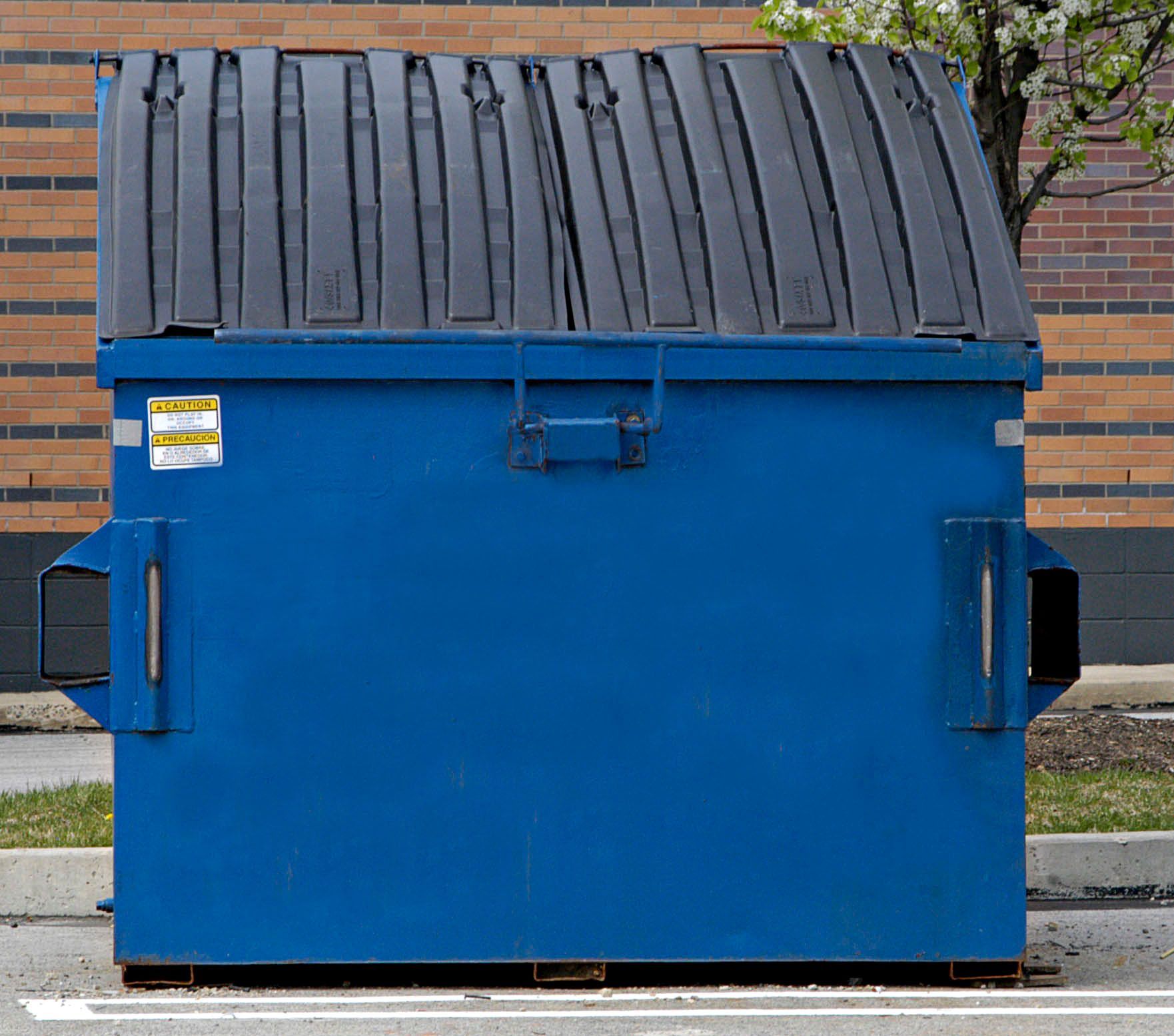
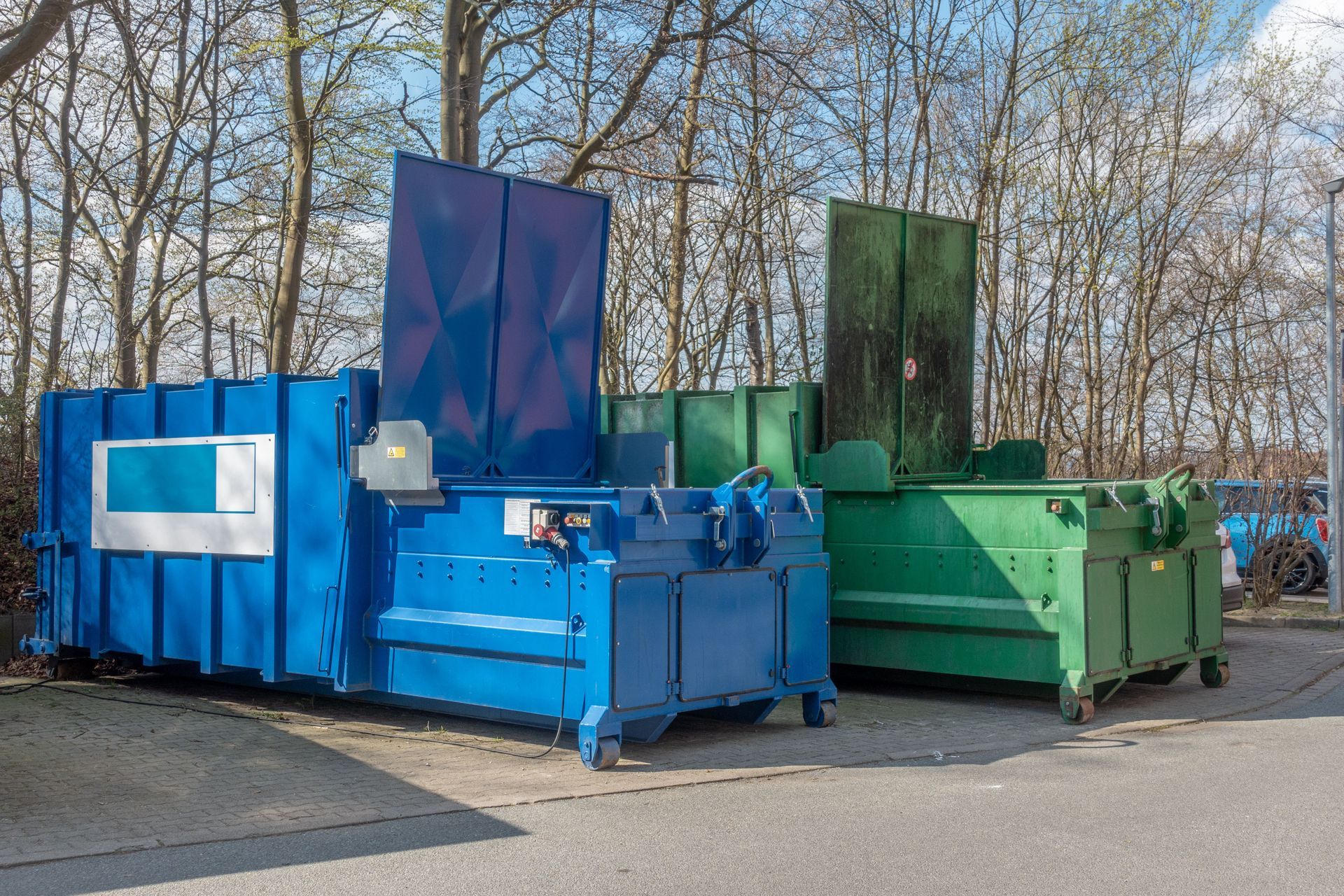
Choosing the right container size is critical to maintaining efficiency and controlling costs. Containers range from smaller units designed for light debris to large-capacity options capable of handling heavy construction waste. Selecting an undersized container often leads to overflow issues or additional hauling fees.
Estimating waste volume accurately helps prevent unnecessary expenses. Consider both the physical size and weight of materials being discarded, as heavier debris may reach weight limits faster than expected. Consulting with experienced providers can help refine estimates based on project type and duration.
Material type also affects size selection. Concrete, roofing materials, and masonry take up less space but add significant weight, while household items and wood framing consume more volume with less weight. Accounting for these differences allows for smarter container selection.
When uncertain, opting slightly larger often prevents disruptions. Proper sizing reduces the risk of mid-project container swaps and keeps disposal aligned with workflow demands.
Cost Planning and Budget Awareness
Waste disposal costs vary based on container size, rental duration, and material type. Comparing options early allows project planners to allocate funds accurately and avoid unexpected charges. Transparent pricing discussions help clarify what is included in the base rate and what may incur additional fees.
Rental duration should align closely with the project timeline. Keeping the container longer than necessary increases costs, while rushing disposal can disrupt work. Coordinating delivery and pickup dates with milestones supports both efficiency and cost control.
Additional charges may apply for exceeding weight limits or disposing of restricted materials. Understanding these details upfront helps prevent budget overruns. Clear communication with providers ensures expectations remain aligned throughout the project.
Legal and Environmental Responsibilities
Local regulations often govern where containers may be placed and how waste must be handled. Projects involving street placement or public access areas may require permits, and failure to comply can result in fines or delays. Verifying requirements before delivery helps keep projects on schedule.
Environmental responsibility is another important consideration. Proper sorting and disposal reduce landfill impact and support recycling efforts. Many providers work with facilities that separate reusable materials, contributing to more sustainable outcomes.
Hazardous materials require special handling and should never be placed in standard containers. Identifying these items in advance allows for alternative disposal methods that protect both workers and the environment.
Managing Logistics and On-Site Use
Successful disposal planning depends on logistics. Containers should be placed on stable, accessible surfaces that allow safe loading and hauling. Preparing the site ahead of delivery prevents delays and reduces the risk of property damage.
Loading waste efficiently maximizes available space and helps maintain balance. Distributing materials evenly and breaking down large items prevents air gaps and supports safe transport. Establishing guidelines for team members ensures consistent and responsible use.
Unexpected challenges may arise, such as higher-than-anticipated debris volumes or access limitations. Maintaining open communication with the provider allows for quick adjustments that keep the project moving forward.
Improving Safety and Workflow Efficiency
Beyond convenience, centralized waste disposal plays a direct role in maintaining a safer work environment. Loose debris scattered across a jobsite increases the risk of trips, falls, and accidental injuries, particularly when heavy materials or sharp objects are involved. Keeping waste confined to a designated container reduces hazards and creates clearer walkways for workers, equipment, and vehicles.
An organized site also supports better workflow coordination. Crews can move more efficiently when disposal is predictable and nearby, rather than stopping work to transport debris offsite. This consistency helps maintain productivity, especially on projects with multiple trades operating simultaneously. When everyone knows where waste belongs, confusion and downtime are minimized.
For residential projects, centralized disposal improves daily usability of the property. Homeowners benefit from reduced clutter, less dust migration, and fewer disruptions to driveways or access points. This is especially valuable during occupied renovations, where maintaining a clean environment helps reduce stress and inconvenience.
By prioritizing safety and organization through proper disposal planning, projects of all sizes can progress with fewer interruptions. A well-managed waste solution supports not only cleanliness but also overall project momentum, helping teams stay focused on completing work efficiently and responsibly.
Choosing the right waste management approach plays a critical role in project success, and a dumpster rental often provides the structure and efficiency needed to maintain order. By carefully evaluating project scope, debris volume, space limitations, and regulatory requirements, you can determine when a dumpster rental aligns with your goals. Thoughtful planning, combined with responsible disposal practices, supports smoother operations, cost control, and environmental stewardship throughout the life of your project. Contact our team at Nieco Container Corp today to get connected with our dumpster services.