August 12, 2026
Dumpster rental services are a critical component in waste management for various projects, from home renovations to large-scale construction. They offer an efficient way to handle debris and waste, ensuring projects proceed smoothly without the hindrance of lingering waste. Before opting for a rental service, it’s essential to understand the facets of renting a dumpster, including its benefits in managing project waste and environmental impacts. Waste management is evolving, and as such, understanding how dumpster rentals contribute to a cleaner environment is crucial. This article provides a comprehensive guide to navigating dumpster rental services, ensuring you make informed and efficient choices for your projects.
1. Understanding Dumpster Sizes and Types
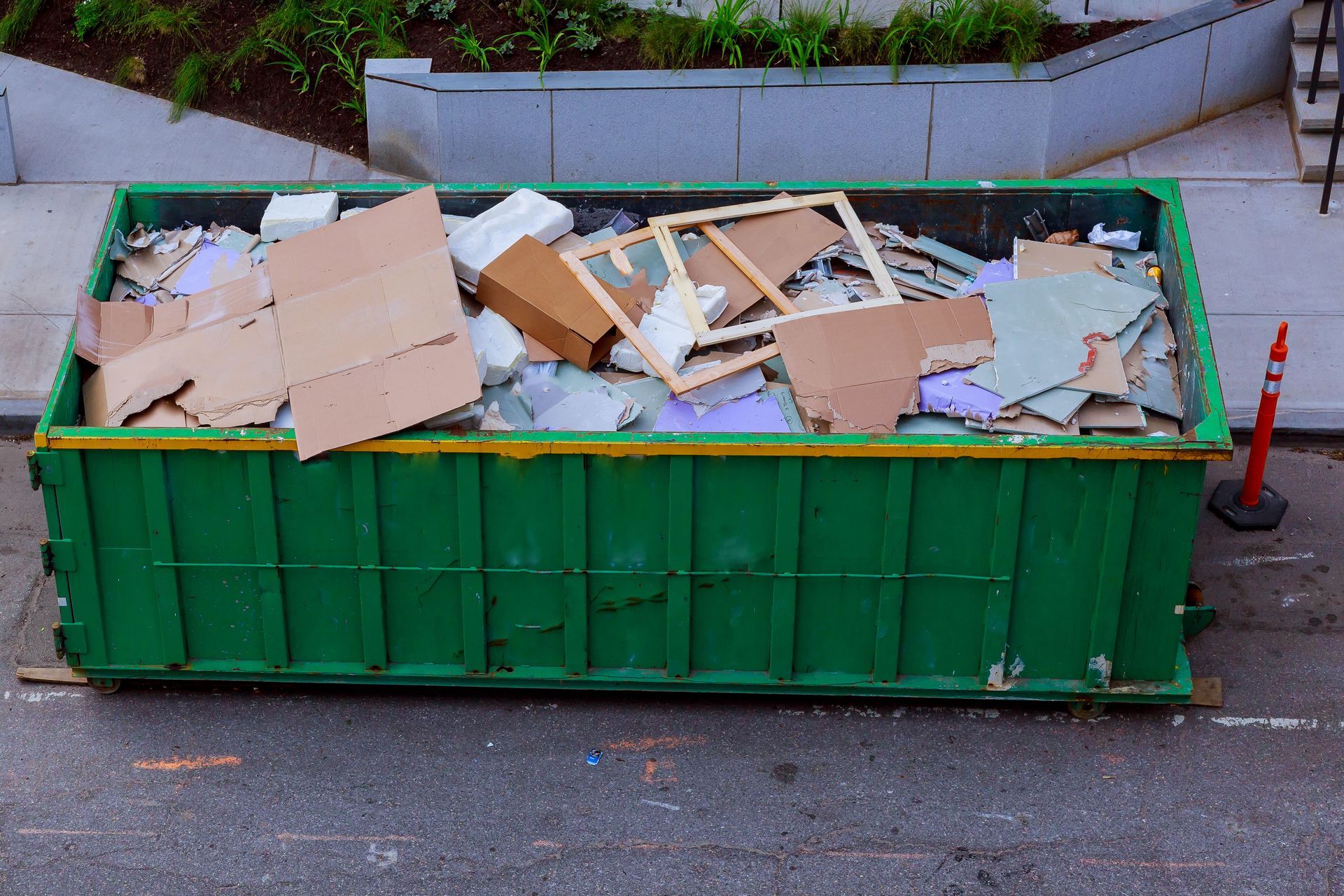
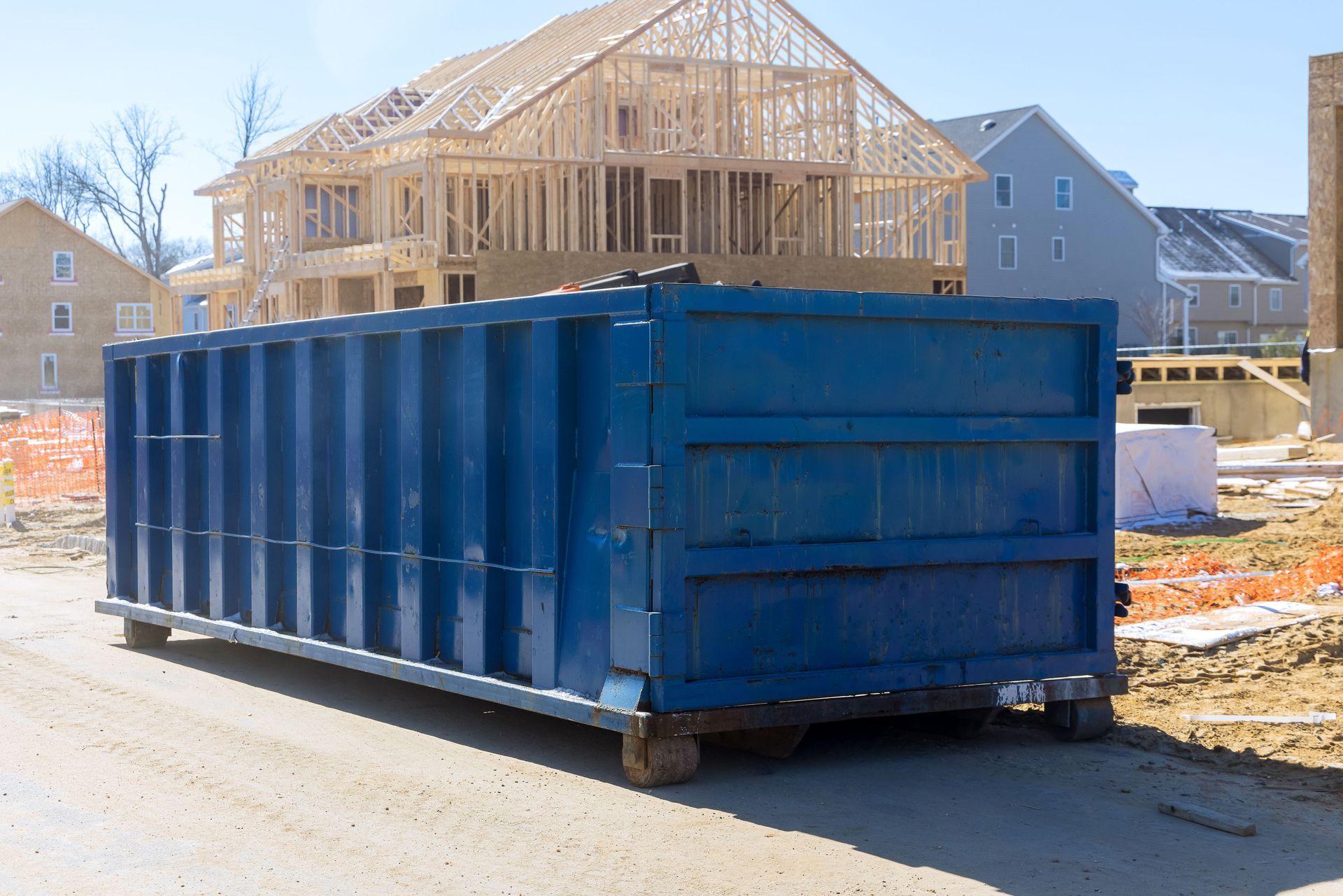
The first step in renting a dumpster is the various sizes and types available. Common dumpster sizes typically include 10-yard, 20-yard, 30-yard, and 40-yard options, each suited for different types of projects. The 10-yard dumpster is suitable for smaller cleanouts or minor renovations, while a 40-yard dumpster is more appropriate for large construction jobs. Understanding these sizes helps ensure you choose appropriately and avoid unnecessary costs associated with incorrect sizing. Choosing the right size is critical to maintaining efficiency and cost-effectiveness in your waste management strategy.
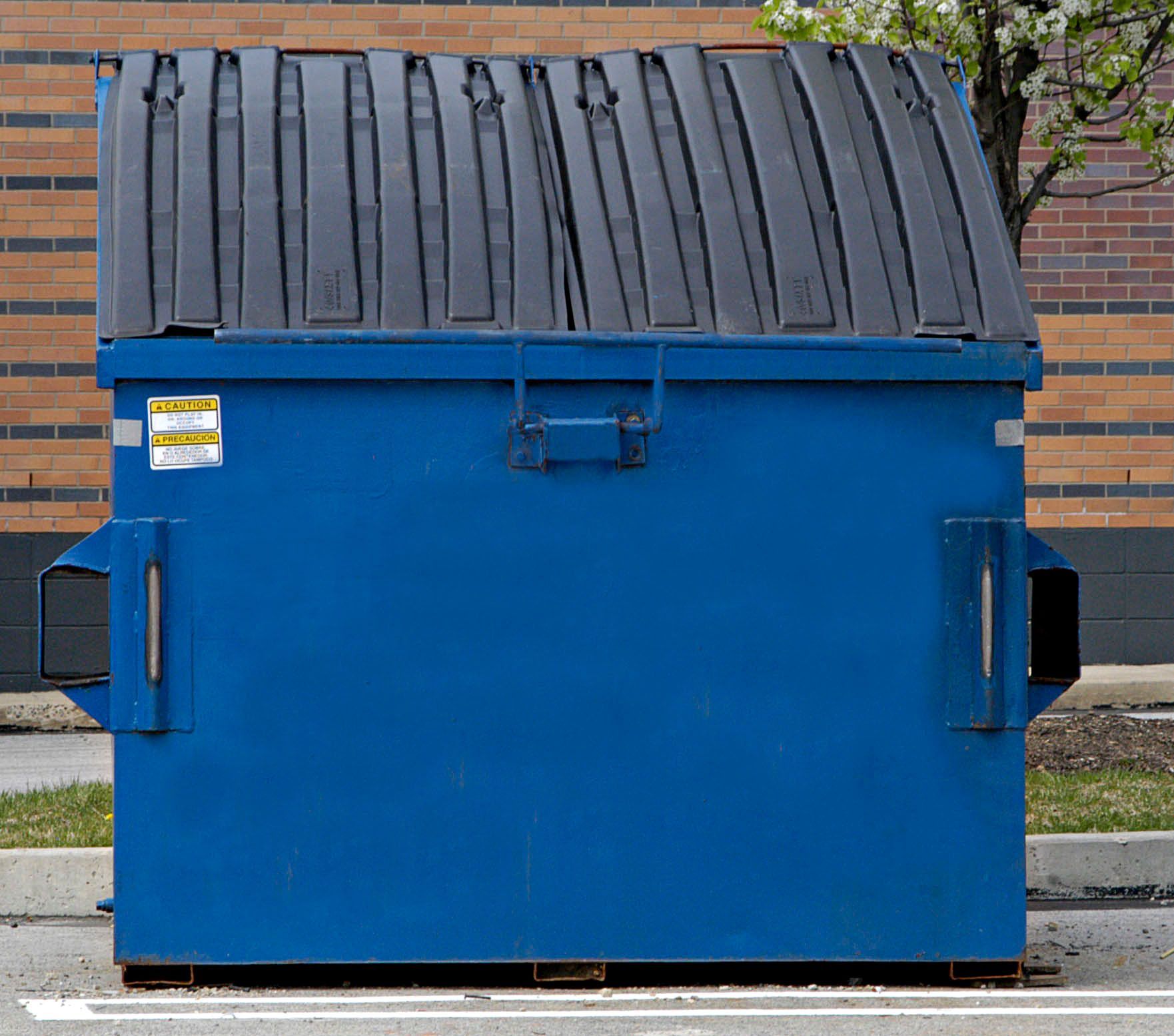
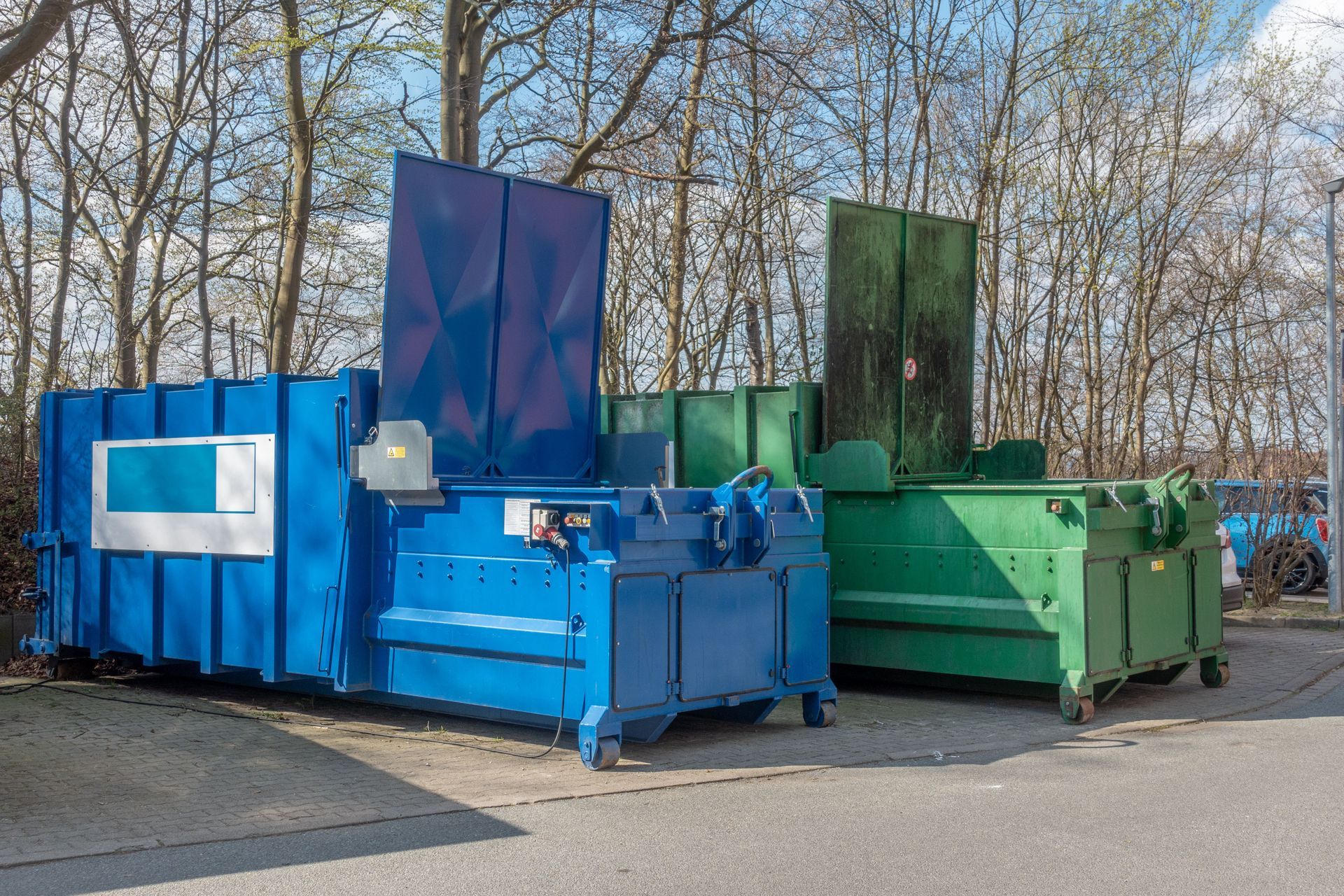
In addition to size, several types of dumpsters cater to different waste disposal needs. Roll-off dumpsters are the most popular due to their versatility and ease of delivery. You may also encounter front-load dumpsters, typically used for day-to-day waste management in businesses. Additionally, specialized dumpsters are available for specific waste types, such as concrete or recyclable materials, offering tailored solutions. Understanding the types available can help in selecting the right dumpster for your specific needs, ensuring compliance with waste disposal regulations.
When choosing a dumpster, consider material restrictions and weight limits. Dumpsters often come with specific guidelines regarding the types of materials they can accommodate, such as prohibiting hazardous waste. Weight limits are also crucial, as exceeding them could lead to additional fees or penalties. It’s essential to evaluate your project's needs, considering these factors to avoid unforeseen complications. By doing so, you can ensure a smooth and compliant waste disposal process while protecting your budget.
2. Factors to Consider Before Renting a Dumpster
Accurately gauging the duration of your project is crucial when determining the rental period for a dumpster. Most rental services offer flexible timeframes; however, extending rental periods beyond the planned duration may incur additional charges. Planning ahead will ensure you have the dumpster for the required time without unnecessary extensions or added costs. Consider not only how long the project will take but also any delays that may arise. Properly estimating rental duration prevents disruptions in project timelines and waste management efficiency.
The location and accessibility of your site can significantly influence the dumpster rental process. Ensure easy access for the delivery and pick-up of the dumpster to avoid logistical challenges. Urban areas might have space constraints, thus affecting where the dumpster can be placed and whether permits are necessary. It's advisable to consult with rental services beforehand to determine the best approach for your site. By considering these factors, you can optimize delivery and collection logistics, making the process more streamlined.
Local regulations and permits are another critical consideration before renting a dumpster. Different municipalities may have varying requirements for dumpster placement, and sometimes permits are required for street placement. It’s essential to familiarize yourself with these local laws to prevent violations and fines. Consulting your local authorities or your dumpster rental service can provide clarity on necessary permits. Ensuring compliance with local regulations not only protects you legally but also contributes to a well-organized waste disposal system.
3. Evaluating Dumpster Rental Companies
When selecting a dumpster rental company, reputation and customer reviews play a pivotal role in ensuring quality service. Analyzing feedback from past clients can provide insights into the reliability and efficiency of the service provider. Look for companies with a strong track record of satisfied customers and well-maintained equipment. A company’s reputation often reflects its commitment to service quality, making it a critical consideration. Therefore, invest time in researching customer reviews and testimonials for a well-informed choice.
Pricing transparency is crucial when comparing dumpster rental companies. Some providers may have hidden fees or unclear price structures, which could lead to unexpected costs. Ensure that the rental agreement clearly outlines all costs, including any potential late fees or for excess weight. By thoroughly comparing pricing among different providers, you can find an option that fits within your budget. This transparency not only aids in cost management but also fosters trust between you and the service provider.
Customer service quality is an often overlooked but significant factor in evaluating rental companies. Excellent customer service ensures that any issues are promptly addressed and that the rental process is smooth and efficient. Assess the company’s responsiveness, professionalism, and willingness to accommodate specific needs. A company's approach to customer service can be indicative of its overall operation and reliability. Hence, choose a company that prioritizes customer satisfaction, facilitating a seamless rental experience.
4. Efficient Use of Rented Dumpsters
To maximize the utility of a rented dumpster, it is crucial to adhere to proper loading techniques. Distribute weight evenly within the dumpster to prevent tipping during transport. Ensuring that heavier items are placed at the bottom and breakable or lighter materials on top maintains balance, minimizing safety risks. This practice not only ensures safety but also optimizes space within the dumpster. Follow these guidelines to maintain efficiency and safety in waste loading and transportation.
Efficient space utilization is essential when using rented dumpsters, especially with size restrictions. Break down larger items to fit more waste within the dumpster and organize materials to avoid creating empty gaps. By effectively using available space, you can potentially save on rental costs by needing fewer dumpsters. Space optimization is key in maintaining cost-effectiveness while meeting waste disposal needs. Implementing these strategies maximizes the dumpster’s capacity, ensuring all waste is appropriately managed.
Overloading a dumpster can lead to safety hazards and additional fees. Respect the fill line marked on the dumpster, as exceeding it may result in difficulty securing and transporting the waste. Certified rental services will typically enforce weight and volume limits to comply with local transportation regulations. Staying within these limits is imperative for safety and legal compliance during waste disposal. Proper management of loading practices ensures a smooth and compliant waste disposal process.
5. Legal and Environmental Considerations
Being aware of waste disposal regulations is critical in renting a dumpster. These laws are in place to minimize environmental impact and ensure safe waste handling practices. Familiarize yourself with federal, state, and local regulations before starting your project. Ignoring these regulations not only endangers the environment but also subjects you to significant fines and legal consequences. By adhering to waste disposal laws, you contribute to protecting natural resources and maintaining community health standards.
Understanding local environmental laws is paramount for ethical and compliant waste disposal. Regulations often vary by region, emphasizing recycling, material segregation, and the prohibition of hazardous waste in dumpsters. It’s crucial to work with your rental service to ensure compliance with local environmental standards. Being informed and compliant mitigates legal risks and bolsters your project’s reputation for environmental responsibility. This approach promotes sustainability and fosters community support for your projects.
In summary, understanding dumpster rental services requires consideration of size, type, regulations, and environmental impact. Renting a dumpster offers efficient waste management solutions across various projects, helping maintain cleanliness and environmental responsibility. With over 350 dumpster rental companies operating in the United States, options are abundant and diverse, allowing for detailed comparison to find the ideal service. By considering local regulations, company reputation, and rental terms, you can make informed decisions. Prioritizing knowledge and preparation ensures that your waste management efforts are both effective and environmentally conscious. According to IBISWorld, there are over 350 dumpster rental companies in the United States. Be sure to reach out to Nieco Container Corp today to learn more about our professional dumpster rental services!